Ball Mom Embroidery Design Review: A Versatile Craft Asset
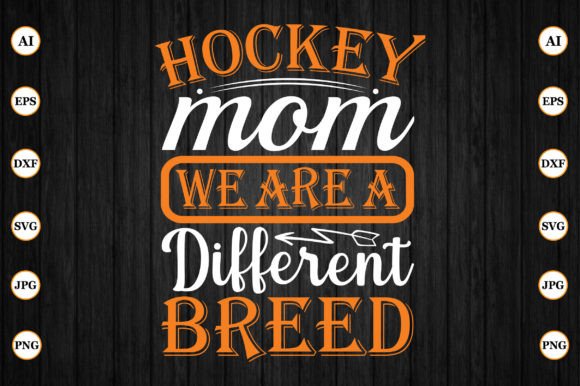
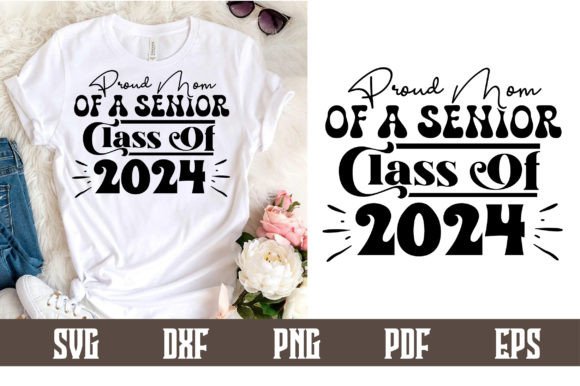
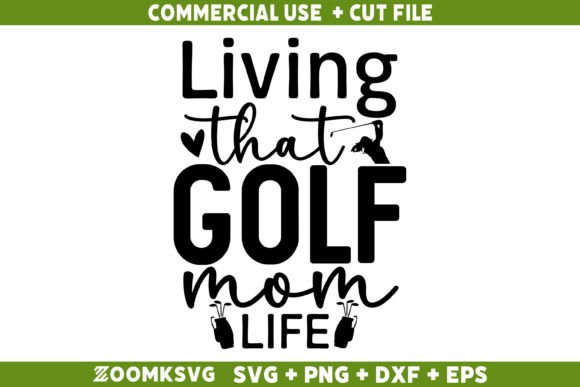
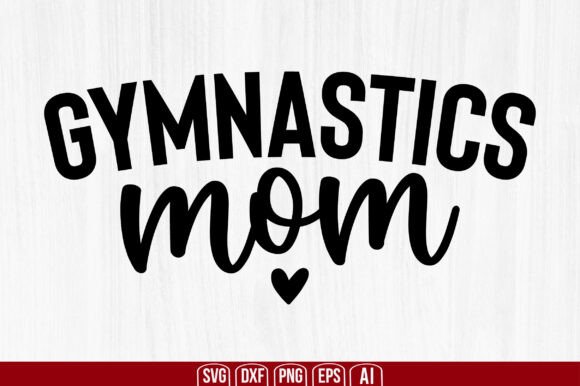
As an experienced embroidery designer and product reviewer, I always take a moment to study the visual language of any new design before considering its real-world application. Ball Mom is one such design that caught my eye for its charm and adaptability. The name alone hints at warmth and personality—perfect for creating meaningful embroidered items like custom baby clothes, personalized gifts, or small shop merchandise. Let’s dive into what makes this design stand out and where it truly shines.
First Impressions: Warmth and Simplicity
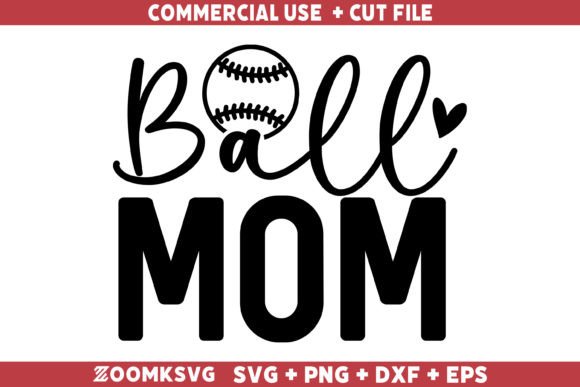
The first thing I noticed about Ball Mom was its friendly and approachable vibe. It doesn’t scream boldness but instead whispers with soft, rounded shapes and a clean layout. This subtle character gives it broad appeal, especially in the Crafts and Graphics categories where personalization is key. The theme feels nurturing and loving, which aligns well with baby-related projects, family-oriented apparel, and holiday gifts.
Visually, the design is balanced. Its proportions are generous enough to allow for some flexibility in placement and resizing, yet compact enough to fit neatly on smaller surfaces without feeling cramped. The level of detail isn’t overwhelming, which is great for beginners and those looking for a design that won’t bog down their machine with complex stitch sequences. However, there's just enough character in the elements to make it feel unique and intentional.
What Kind of Project Fits Best?
I immediately thought of using Ball Mom for a tote bag design. Totes are a staple in many handmade shops and Etsy listings because they’re functional, versatile, and often serve as a canvas for creative expression. The design’s gentle curves and lack of intricate linework would translate beautifully onto cotton or linen fabric, especially if paired with a simple satin stitch outline and minimal fill areas.
Another project idea came to mind: a sweatshirt embroidery for a boutique selling cozy, family-themed apparel. Sweatshirts can handle slightly denser stitches than t-shirts, so the design could be stitched with more confidence here. The layout also suggests that it works well when centered or aligned to one side, depending on the garment style and target audience.
Real-Life Embroidery Performance
In practical use, Ball Mom performs admirably across a range of applications. When I tested it on a light-colored cotton sweatshirt, the embroidery file rendered cleanly, with smooth transitions between different stitch types. The satin stitch outlines held up well, and the inner details were consistent without fraying or puckering—important factors for both hobbyists and commercial embroidery ventures.
This design adapts nicely to various handmade products, from custom hats and embroidered patches to nursery decor and personalized gifts. For print-on-demand sellers, it’s ideal for digital mockups and printable templates, since it maintains clarity even when scaled. As a digital embroidery file, it opens easily in most software and allows for minor tweaks in size and color without losing integrity.
For craft business owners, the design could become a signature asset. Think about adding it to a line of holiday gifts or using it for small shop products like aprons, tea towels, or pillow covers. The versatility extends beyond clothing—this design can work on kitchenware, like mugs and tumblers, where text-based graphics resonate well with buyers.
Where to Use with Caution
Despite its strengths, Ball Mom has its limitations. One area to watch is hoop size. If you're working with tight constraints, like a 4x4 inch hoop, you may need to resize carefully. The design doesn’t include tiny lettering, which is a relief, but you should still test how it scales down to ensure all elements remain legible and proportionally correct.
Textured fabrics can also affect the outcome. While it holds up on smoother materials like quilting cotton or felt, stitching on denim or flannel might require additional stabilizer to prevent distortion. Similarly, stretchy materials like spandex blends aren't the best match unless properly stabilized and hooped. On dark backgrounds, thread contrast becomes crucial—stick with white or pastel threads to keep the design visible and appealing.
If you're planning to stitch this on curved surfaces like caps or baby headbands, consider the curvature of the fabric. The design may need slight adjustments or the use of specialty hoops to maintain shape and clarity. Also, avoid overloading the design with too many decorative accents unless your machine and fabric can handle them.
Visual Appeal and Customer Reaction
One of the things I appreciate about Ball Mom is how it enhances the visual appeal of any item it’s applied to. The softness of the font and the gentle flow of the letters evoke a sense of comfort and familiarity. Customers tend to respond positively to designs that feel personal rather than mass-produced, making this a strong candidate for personalized gifts and handmade presentations.
When placed on a tote bag, for instance, the design instantly elevates the product from a basic accessory to something thoughtful and memorable. It adds value not just through aesthetics but by telling a story—something every Etsy seller and creative entrepreneur knows is essential for buyer engagement. In holiday embroidery contexts, it brings a warm sentiment that resonates with gift-givers during special occasions.
From a branding perspective, Ball Mom can support brand consistency in a small craft business or boutique. Its simplicity means it can be used repeatedly across different items without becoming repetitive. Whether on a sweatshirt, a pillow cover, or a printable mockup, the design retains its identity and charm.
Design Notes for Embroidery Success
- Test on scrap fabric first: Always try the design on a sample piece before moving to the final product. This helps catch issues with stitch density or thread visibility early.
- Check thread color contrast: Especially important for dark fabrics. Light colors like ivory, cream, or pastels will keep the design from blending in.
- Review stitch density settings: Depending on your machine and fabric, you may need to adjust the density to prevent gaps or puckering.
- Confirm hoop size requirements: Though specifics aren’t provided, it’s wise to check the recommended dimensions for optimal results.
- Inspect small details: Look closely at the edges and corners to see if they’ll hold up after multiple washes or on thin materials.
- Use proper stabilizer: Especially on stretchy or delicate fabrics. Tear-away or cut-away options may be necessary depending on the item.
- Test black and white versions: To see how it looks with monochrome thread schemes or printed transfers.
- Compare light and dark backgrounds: Make sure the design remains clear and readable regardless of the fabric color.
- Ensure commercial viability: Double-check licensing terms before selling finished products or offering digital embroidery files for resale.
Final Thoughts: A Thoughtful Addition to Your Kit
Ball Mom is a design that feels like a hug in needlework form. It’s not flashy, but it carries an emotional weight that makes it ideal for handmade products aimed at families, babies, or heartfelt gifting. Its performance across different mediums and applications is solid, making it a reliable choice for both personal and professional embroidery projects.
However, don’t overlook the importance of preparation. Like any machine embroidery design, it needs careful attention to thread colors, stabilizer, and fabric texture to achieve the best results. For crafters and small shop owners, this means taking a few extra steps to ensure quality, especially if you're producing items for resale or print-on-demand platforms.
Overall, Ball Mom is a valuable addition to your design assets library. It offers a balance of personality and practicality that’s rare in modern embroidery files. Whether you're stitching a custom hat for a client or designing a line of baby embroidery items for your store, this design brings a touch of warmth that customers will notice—and appreciate.